
Steam Distilled · Remineralized
Premium
Drinking Water
Physics Don't Fail. Filters Do.
We bridge the gap between “safer” and “pure” by isolating Lead, Fluoride, Pharmaceuticals, Microplastics, and any other contaminant at the molecular level. Our fail-safe technology doesn't just “filter” contaminants—it physically extracts them.
Beyond Filtration: Absolute Purification.
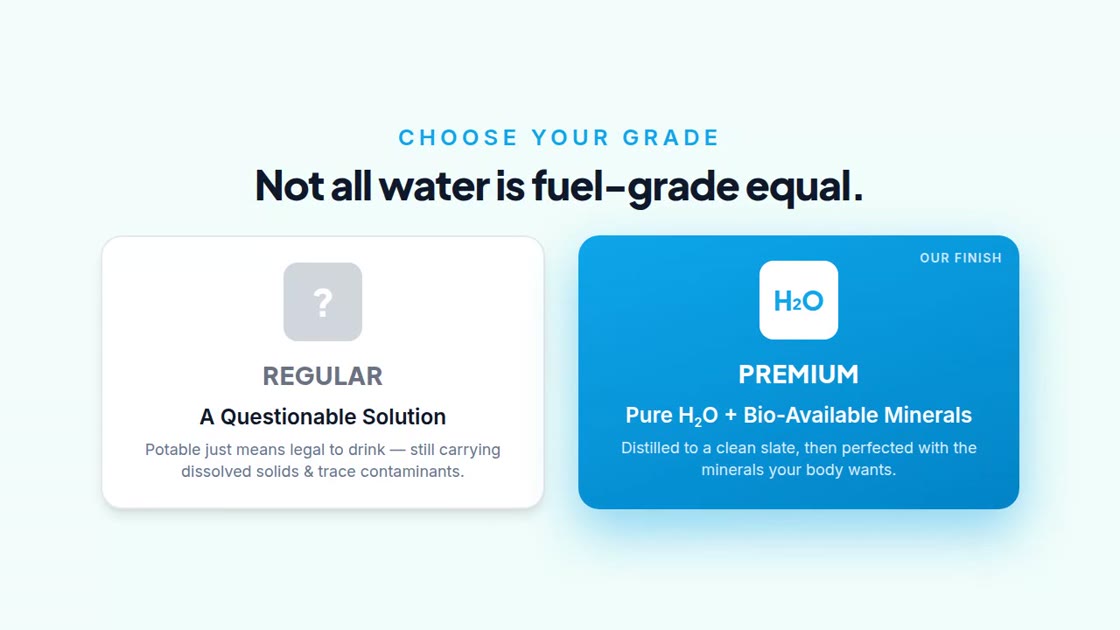
The Final Touch: Bio-Available Remineralization
By stripping away 100% of the bad, we create a clean slate. We then infuse the water with key minerals like calcium, magnesium, and potassium—elevating the pH and restoring a crisp, refreshing, natural taste.
Home and Office
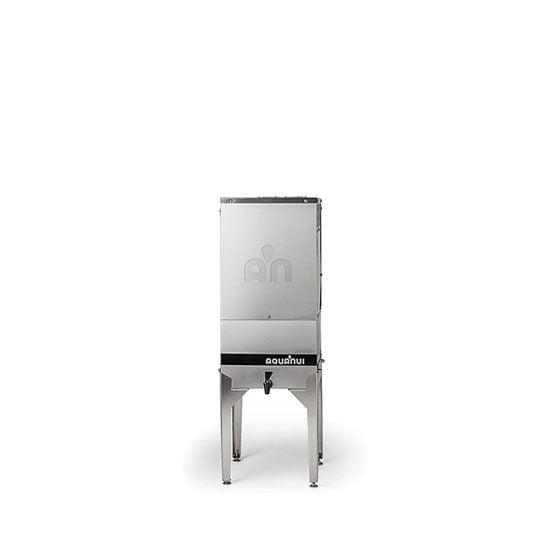
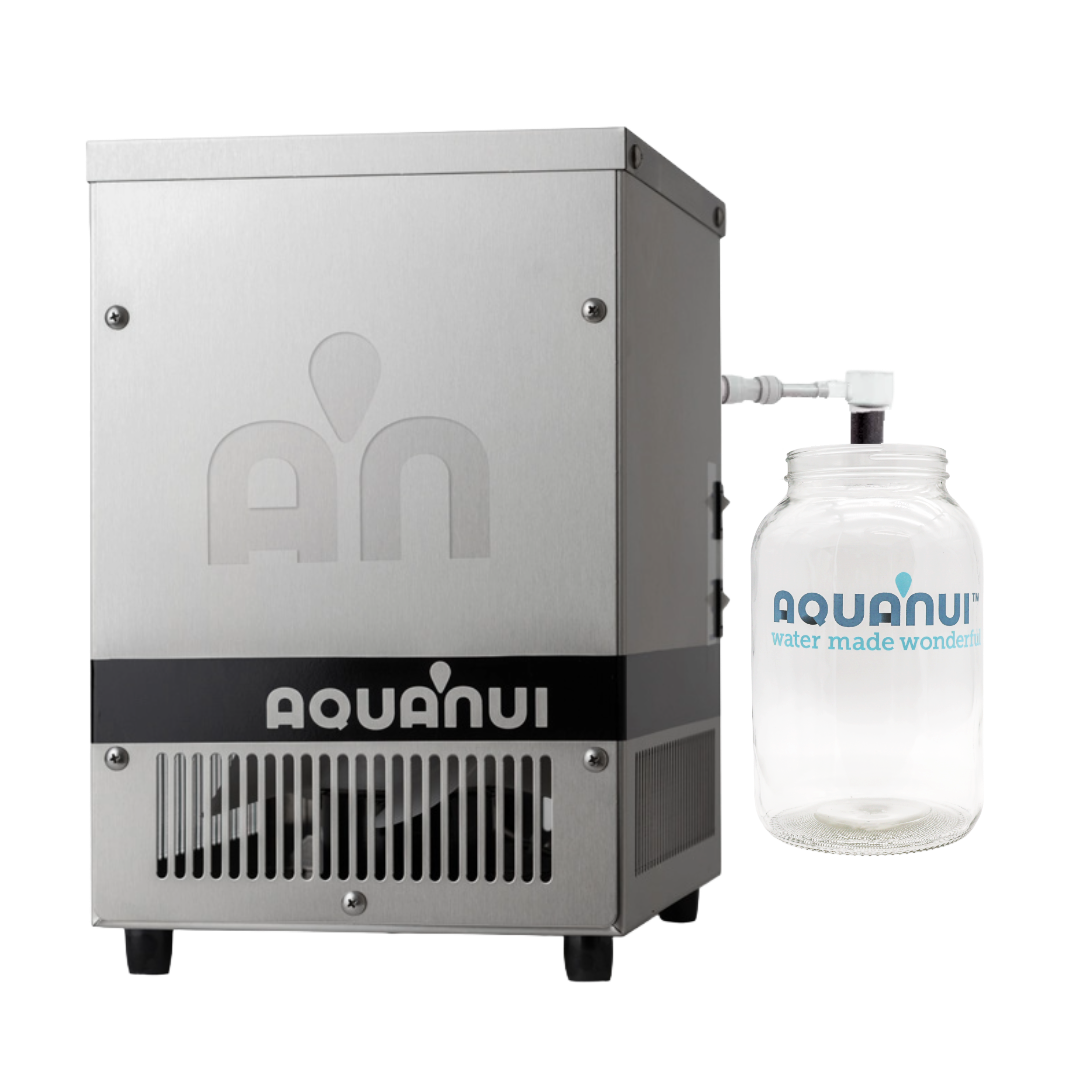
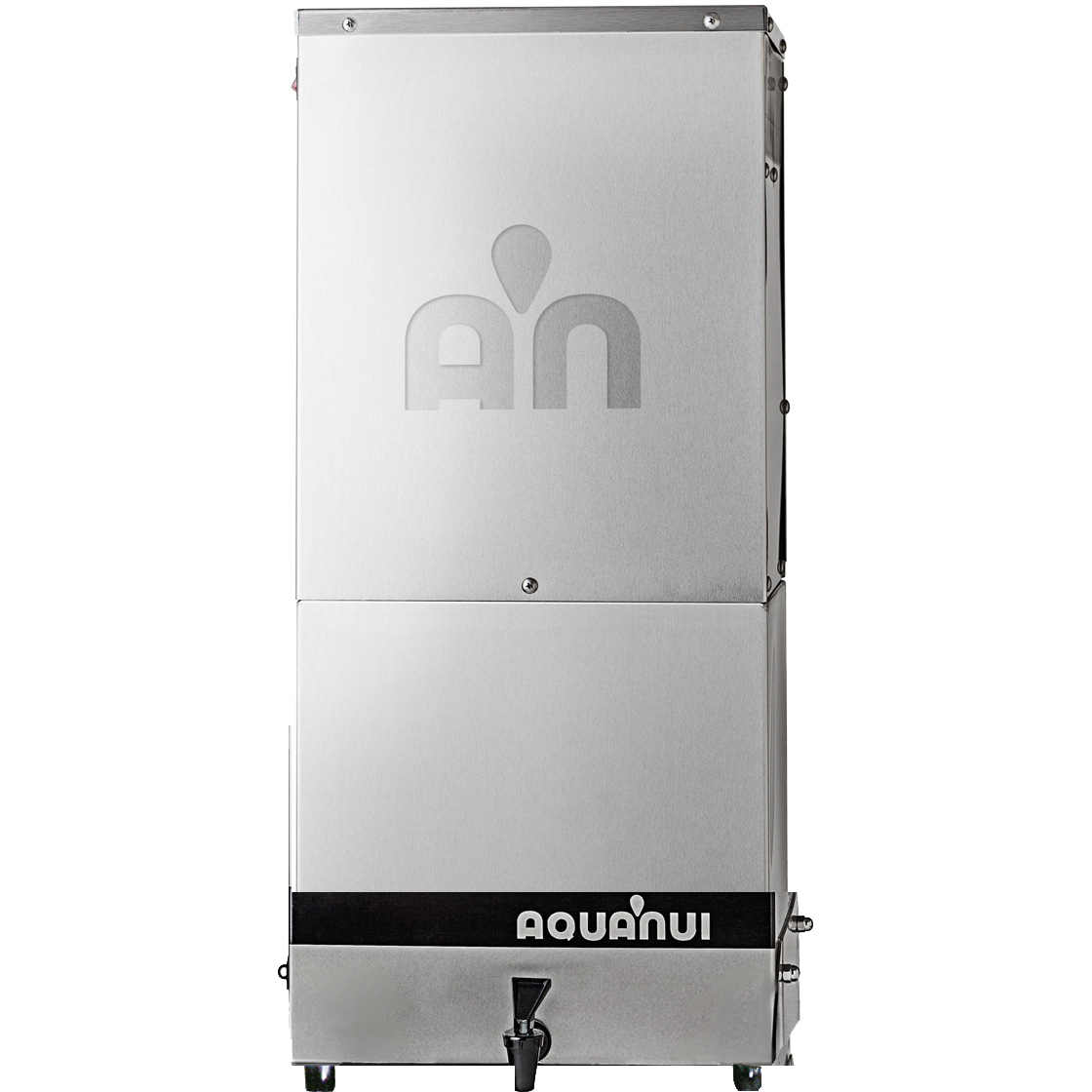
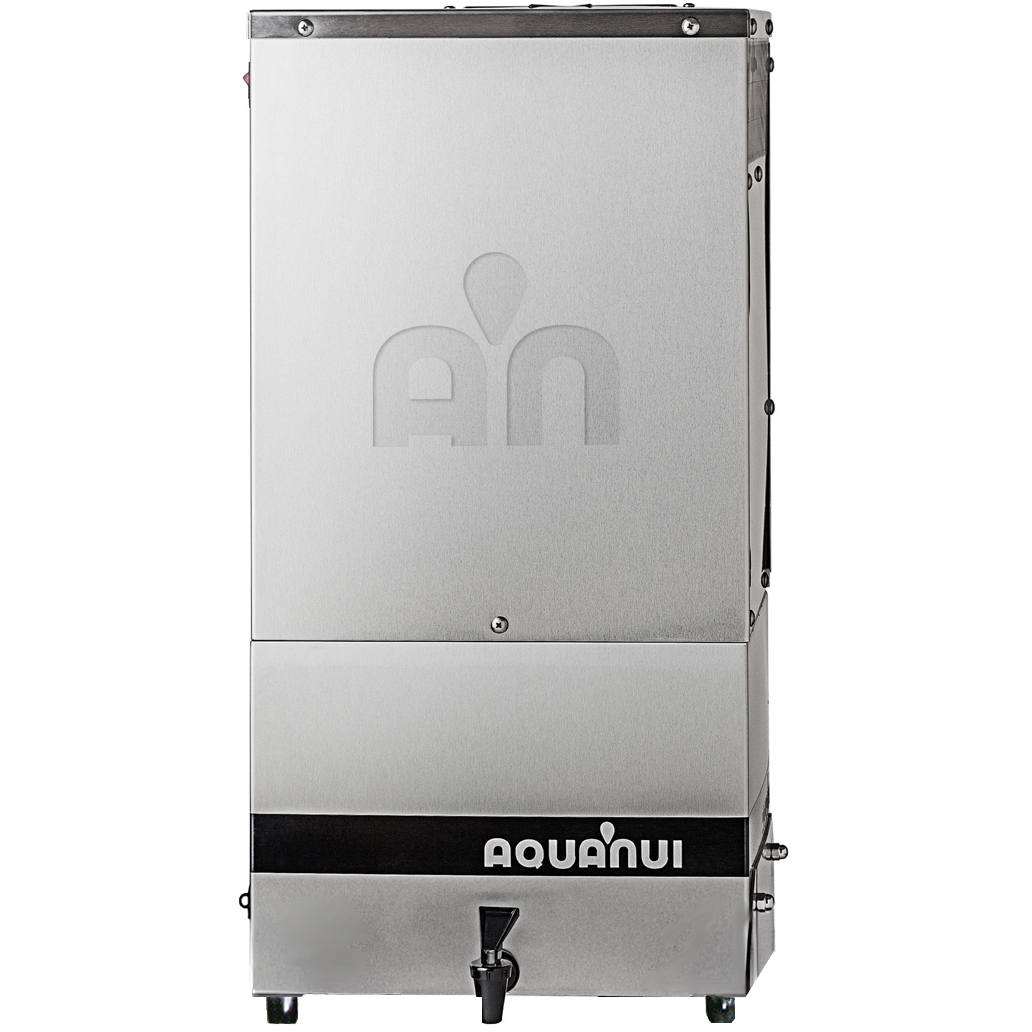
Compact distillers and shared-space solutions for homes, offices, and small teams.
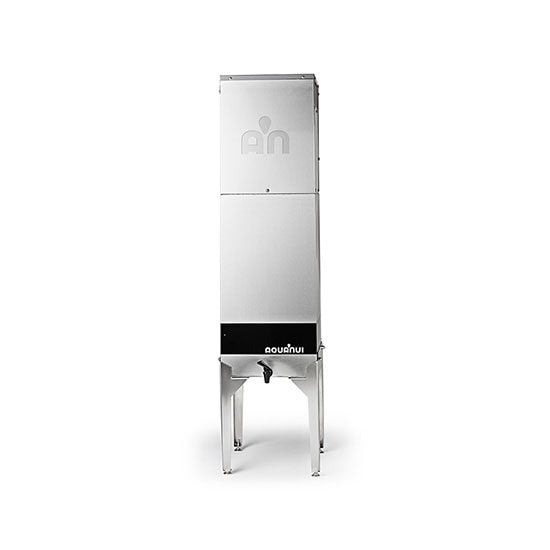
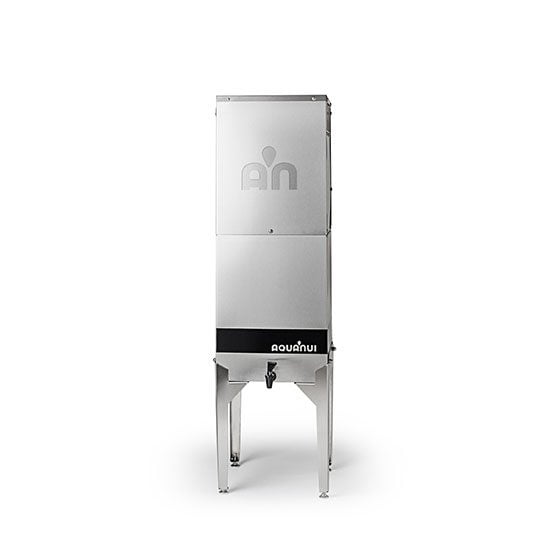
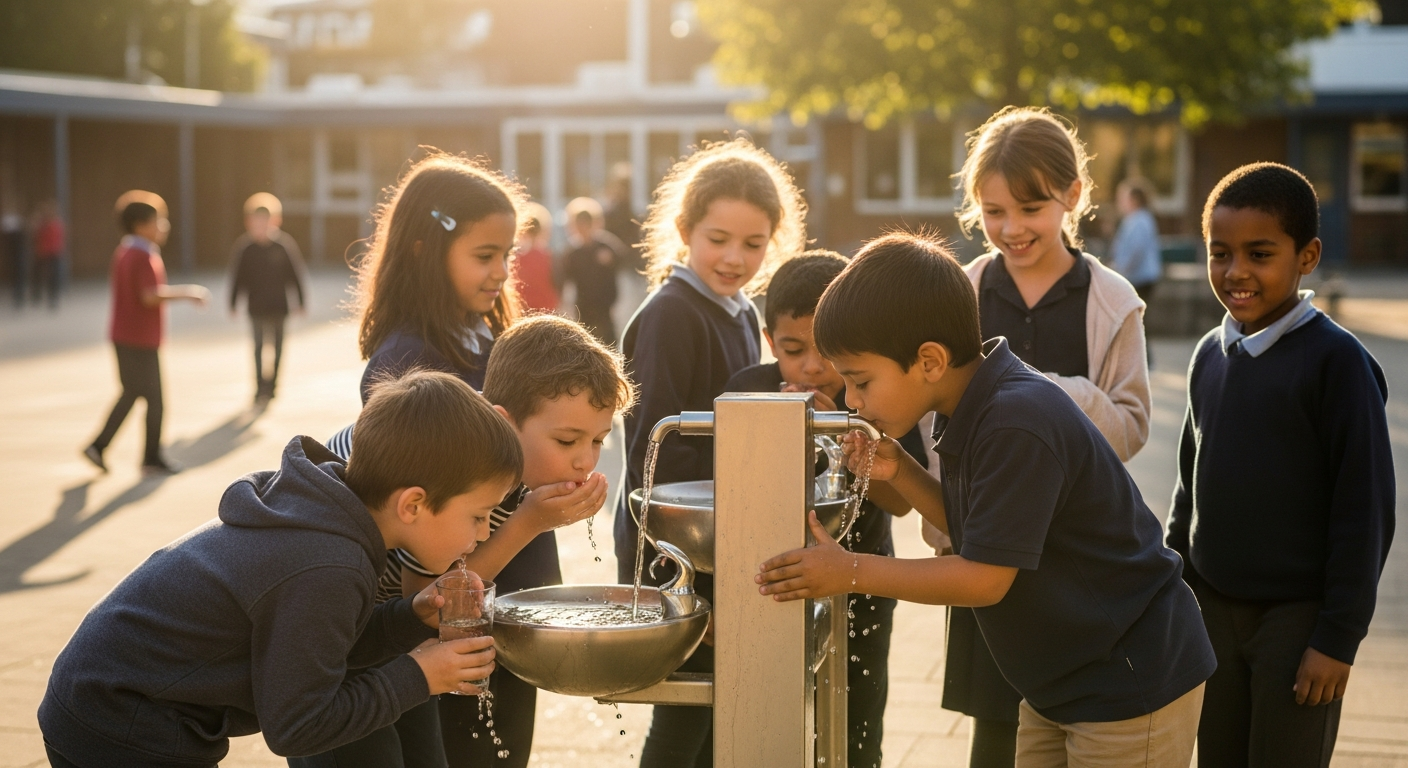
For kids & schools
Clean water for schools
Our primary focus is to crowdfund pure and secure drinking water solutions for the 98,000 public schools and the 500,000 daycares not covered by the Safe Drink Water Act1 — Join us, start a campaign and we will guide you through the entire process from conception to completion.
1. EPA estimates that approximately 8,000 schools and child care facilities maintain their own water supply and are regulated under the Safe Drinking Water Act (SDWA). There are approximately 98,000 public schools and 500,000 child care facilities not regulated under the SDWA. Source
Most-requested sizes
Three example solutions sized for the spaces we hear about most often — a single classroom, a standard classroom, and a shared common area.
How it works
Pick the solution size that fits your space, start a campaign, and we handle the rest — Sourcing, installation, and ongoing support.
1. Pick a size
Choose the example solution that matches the number of people you need to serve — from 25 to 1,500.
2. Start a campaign
Use the example as a starting point. We'll help you tailor the goal and tell your school's story to potential donors.
3. We install it
Once funded, our certified installers handle delivery, setup, and water testing — backed by a multi-year warranty.
All standard sizes

25-Person Solution
A single classroom or pre-K room

50-Person Solution
Two classrooms or a small after-school program

125-Person Solution
A shared hallway or small daycare
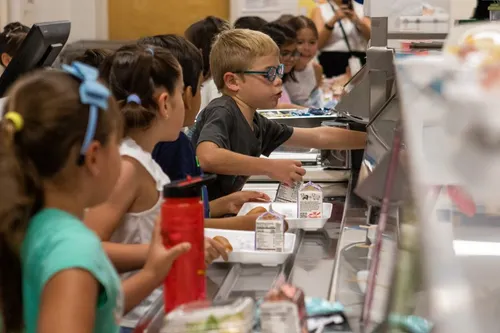
250-Person Solution
A small school wing or community center
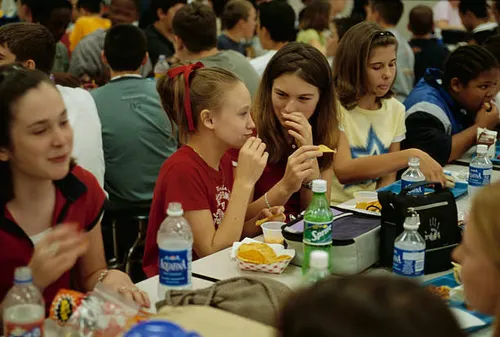
500-Person Solution
A full elementary school
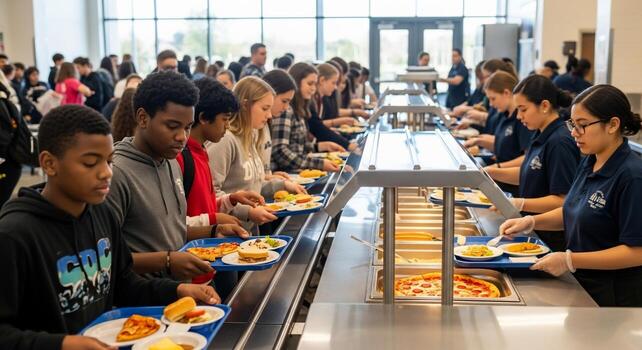
1,500-Person Solution
A large school or multi-building campus
Why Distillation
The 21st Century Water Gap
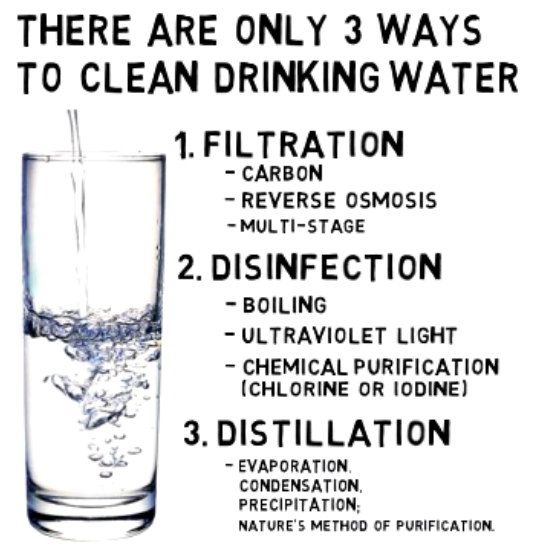
Standard filters were built for a different era. Today’s water can contain dissolved, synthetic, and nano-scale contaminants that pass through carbon media and other conventional systems.
If you are not using distillation, you are the filter.
The Distillation Standard: The Big Four
Fluoride
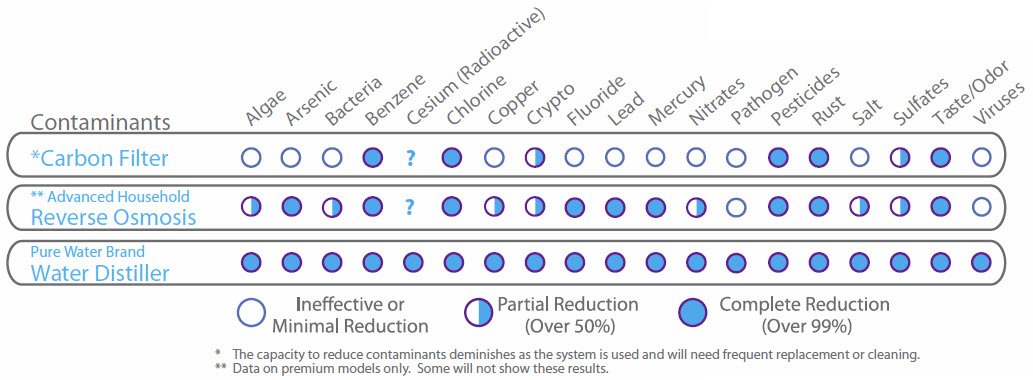
Phase-change distillation physically removes fluoride instead of relying on media that can weaken or fail.
Lead
Lead is left behind in the boiling chamber, keeping legacy pipes and solder out of your drinking water.
Pharmaceuticals
Synthetic drugs, hormones, and antibiotics are stripped away during vapor separation.
Microplastics
Plastics cannot vaporize, so distillation delivers a physically separated, plastic-free result.
The distillation process
The Certainty of Science
Most water treatment relies on "adsorption"—a chemical process where a filter tries to trap contaminants as they fly by. But filters saturate, they clog, and they eventually fail.
By utilizing a phase-change process, our systems don't just "improve" your water; they recreate it. If a contaminant cannot turn into steam at 100°C, it cannot enter your glass. Period.
Stop guessing if your filter is still working. Switch to a system where purity is a physical certainty.